
Language1K views
CV Examples and Writing Guides
Explore CV examples for different jobs, industries, and experience levels. Each guide shows you how to present your qualifications, structure your CV, and describe your achievements. Find a relevant CV sample, use it for inspiration, and create an application tailored to your next opportunity.

Technology8K views
Hospitality9K views
Build your CV in minutes and get hired faster!
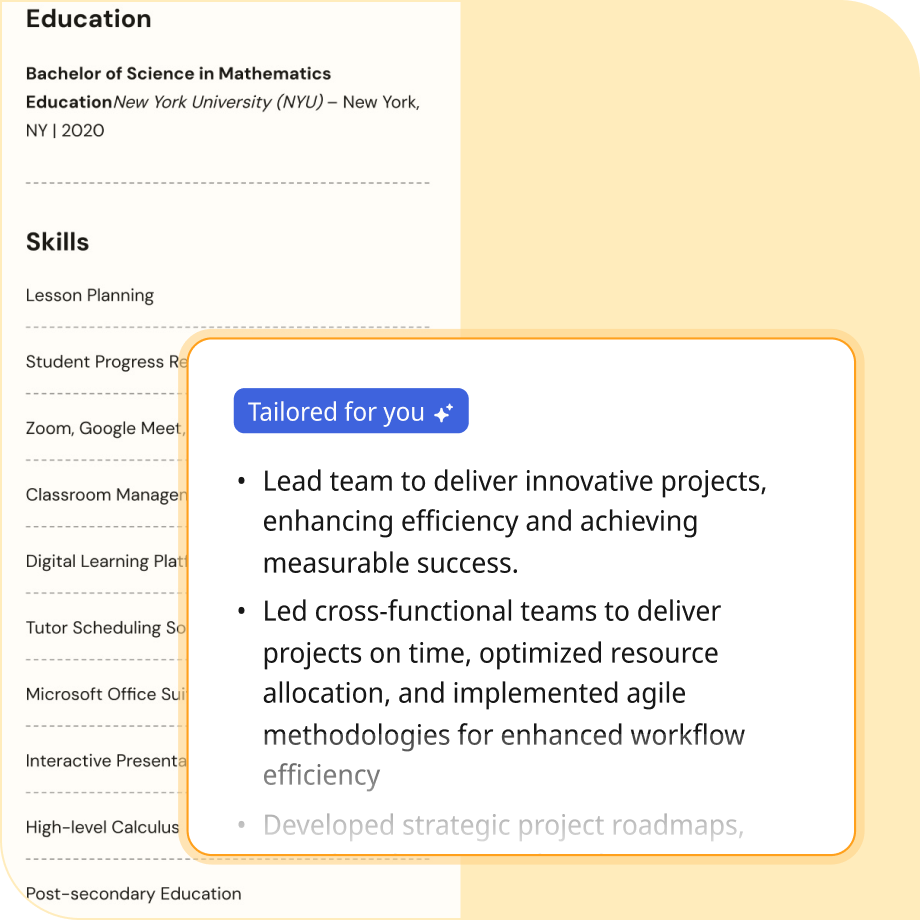
Receive instant, AI-powered suggestions to enhance your CV content.
Tailor your CV effortlessly for any career level, from entry-level to senior leadership roles
Save time with an intuitive AI CV creator that makes CV writing stress-free.
Elevate your application
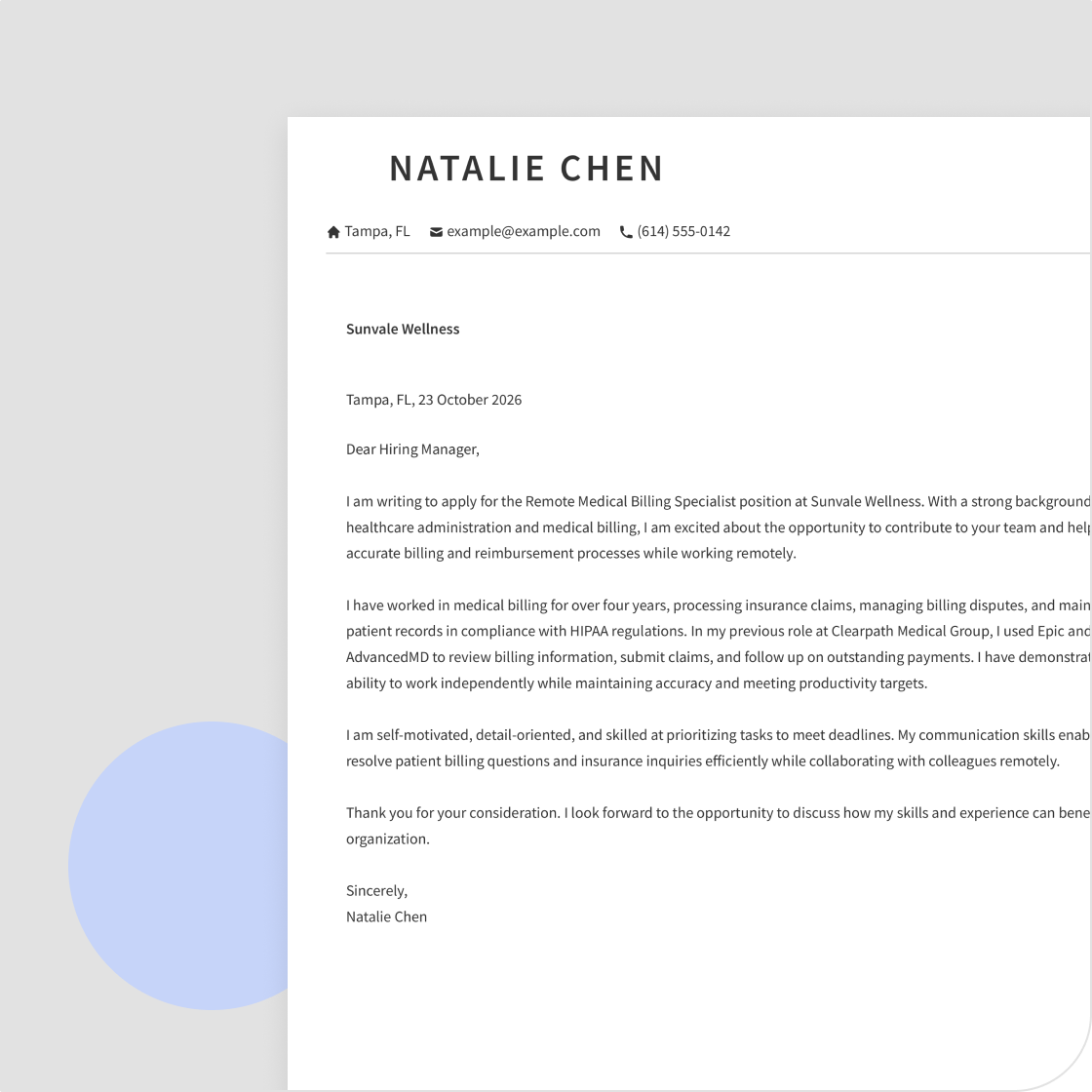
Take your application to the next level by pairing your professional resume with a compelling cover letter example.
Industry and job-specific cover letter examples.
HR-approved and applicant tracking system (ATS)-friendly
Seamless customization in our cover letter builder.
Stay organised with the Job Application Tracker
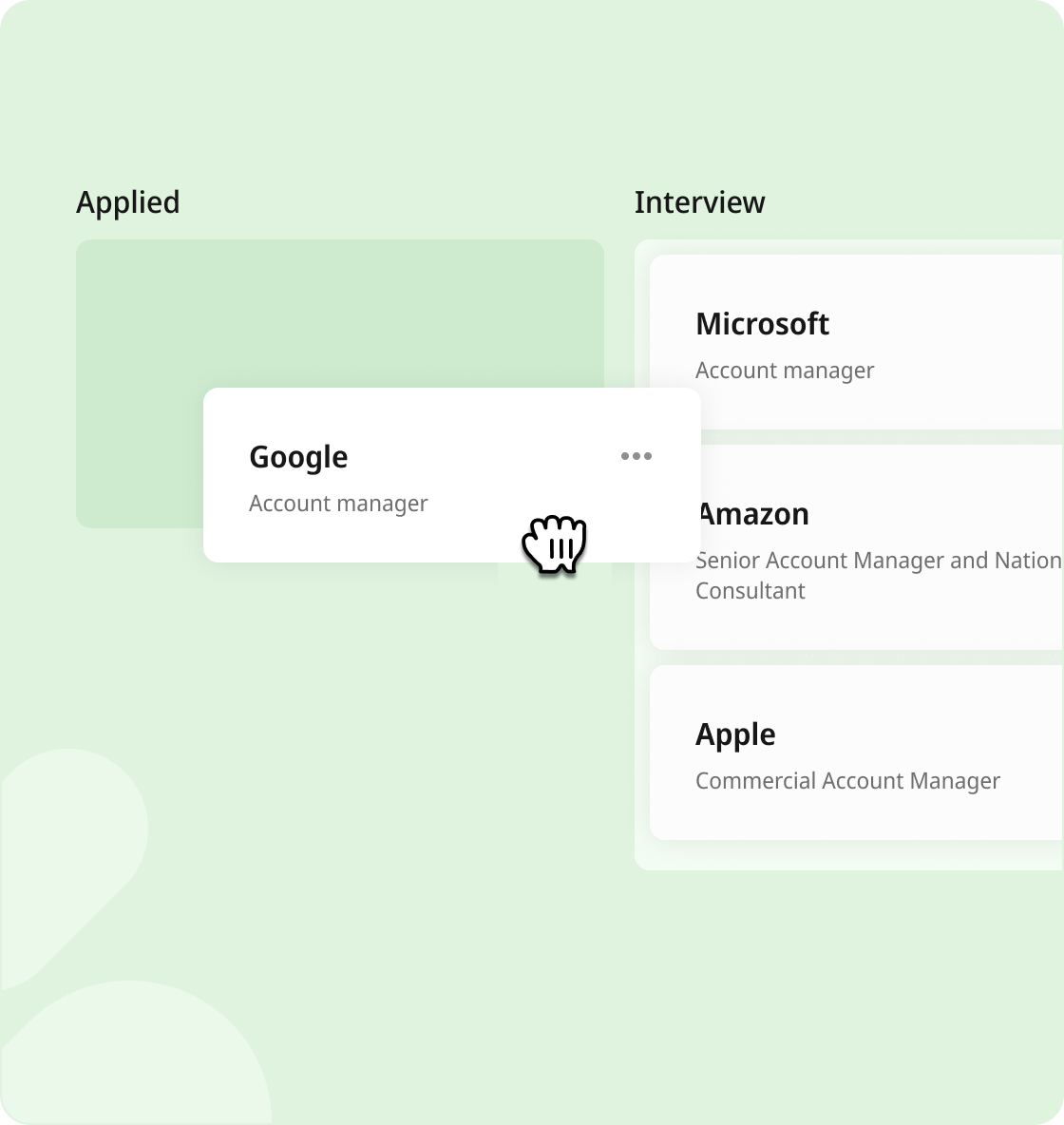
Take control of your job hunt:
Track your progress at a glance
Move applications easily through each stage
Keep notes, dates, and links in one place
Attach tailored resumes and cover letters with a click
Simplify your job search



How to Use a CV Example
A CV example shows how a completed application can look and what it might include. Use it as a starting point for your own writing, then adapt the content to your background and the employer’s requirements.
Find a relevant example: Browse by job, industry, or experience level. If your exact role isn’t listed, choose one with similar responsibilities or skills.
Explore the writing guide: Review the profile, work experience, education, and skills sections for ideas about what to include.
Write your own content: Replace sample details with accurate information about your experience, qualifications, and achievements.
Choose your design: Select a CV template that makes your most relevant information easy to find.
Review your application: Check the job requirements, local conventions, spelling, and formatting before downloading your CV.
Starting your career? Draw on projects, internships, volunteering, and part-time work to show what you can contribute.
What to Include in a CV
The sections you need depend on your background and the application. Most job application CVs include the following information.
1. Contact details
Include your name, phone number, professional email address, and city or region. Add a relevant LinkedIn profile, portfolio, or professional website. For international applications, include your phone’s country code.
Check local expectations before adding a photo, full address, or other personal information.
2. Professional profile
Introduce your relevant experience, strongest skills, and suitability for the role in a short paragraph. Be specific about what you offer rather than relying on phrases such as “motivated professional.”
If you’re new to the workforce, focus on your education, practical experience, and career direction.
3. Work experience
List relevant roles, usually starting with the most recent. Include your job title, employer, employment dates, and concise bullet points explaining your responsibilities and contributions.
Show the results of your work where possible. For example:
Trained five new colleagues on payment systems and customer service procedures.
Reduced monthly reporting time by three hours by introducing a shared tracking spreadsheet.
Use figures only when they accurately reflect your experience.
4. Education
Include relevant qualifications, institution names, and completion dates. Students and recent graduates can also highlight relevant coursework, academic projects, or achievements.
Place education before work experience when it provides stronger evidence of your suitability.
5. Skills
Choose skills that match the role and that you can demonstrate. Name relevant tools, software, languages, or technical methods instead of using broad labels such as “computer skills.”
Support interpersonal skills with examples throughout your CV. You can find inspiration with a expertly-written curriculum vitae sample.
Additional sections to consider
Include these when they strengthen your application:
Courses and certifications: Relevant training, professional credentials, and licenses.
Projects: Practical examples of your skills, particularly useful for students and career changers.
Volunteering: Experience that demonstrates relevant abilities or responsibility.
Languages: Languages you use and an accurate description of your proficiency.
Publications and research: Particularly relevant for academic or research applications.
Awards and achievements: Recognition connected to your qualifications or work.
You don’t need every section. Prioritize information that helps the employer understand why you’re suitable.
How to Write a Good CV: Tips
A good CV connects your experience to the opportunity. Use these tips to turn an example into a focused application.
Tailor it to the job: Identify the employer’s priorities and highlight the experience and skills that match.
Show contributions alongside duties: Explain what you improved, delivered, supported, or achieved.
Use specific language: Replace general claims with evidence, relevant tools, and clear examples.
Keep the structure readable: Use familiar headings, consistent dates, short paragraphs, and concise bullet points.
Consider application systems: Include relevant terminology from the job description naturally and follow the employer’s file requirements.
Choose an appropriate length: Keep the content relevant. Expectations vary by country, career stage, and whether you’re submitting a job application or academic CV.
Check local conventions: Adapt spelling, qualification names, date formats, and personal details for the market where you’re applying.
Review the final file: Check contact details, links, page breaks, and formatting after your last edit.
Avoid copying a CV sample word for word. Its structure can guide you, but your application should reflect your own experience.
CV vs. Resume: Which One Do You Need?
The terms CV and resume vary by country and context. In many countries, a CV is the standard document used to apply for jobs. Elsewhere, employers commonly request a resume for the same purpose.
For academic and research positions, a CV can be a more detailed record of education, research, publications, teaching, and professional contributions.
Follow the terminology and instructions in the job advertisement. Check which sections, document length, and file format the employer expects, especially when applying internationally.
FAQs
What does a good CV example look like?
A good CV example has clear headings, consistent formatting, and relevant information that’s easy to scan. It shows how to introduce your qualifications, organize your experience, and support your skills with evidence. The strongest examples demonstrate both responsibilities and achievements without unnecessary detail.
Where can I find an example of a CV for my job?
Browse CVMaker’s CV examples by job title or industry, then open the accompanying writing guide. If you can’t find your exact role, use an example from a related profession with similar responsibilities. Adapt the content to your experience and the requirements of the position.
What is a professional CV example?
A professional CV example is a completed sample that demonstrates how to present qualifications for a particular role or career stage. It combines a readable layout with relevant content, clear descriptions, and evidence of skills. Use it to guide your writing rather than copy someone else’s background.
What is the best CV format?
A reverse-chronological format is a practical starting point for many job applications because it puts your most recent experience first. A combination format can help emphasize relevant skills alongside work history. Students may place education first, while academic applicants may need dedicated research and publication sections. Choose the structure that makes your qualifications clearest.